

The Cultural Significance of Silver Jewellery in India: Unveiling Its Sacred Shine
The Sacred Shine: Unveiling the Cultural Significance of Silver Jewellery in India
Silver is more than just a precious metal in India. It’s a memory keeper, a healer, and a sacred thread tying generations together. From a baby’s first anklet to a bride’s shimmering bangles, silver jewellery in Indian culture has always held meaning far beyond beauty. Understanding this deep connection reveals why it remains a cherished part of every Indian home. The metal’s history is interwoven with the subcontinent's spiritual, medicinal, and familial traditions. In this blog, we’ll explore the deep roots and radiant relevance of traditional Indian silver jewellery. You’ll discover the powerful stories behind every piece, the cultural value they carry, and how brands like House of B are preserving this rich legacy with handcrafted charm.

Rooted in Tradition: Why Silver Reigns in Indian Culture
-
Ancient Origins of Purity and Status:
The journey of silver jewellery began thousands of years ago, dating back to the Indus Valley Civilisation.
- Silver was prized for both its visual appeal and spiritual value, often symbolising wealth and status.
- In ancient temples, silver was frequently offered to deities as a sign of devotion and purity.
- Historically, silver stood as a powerful symbol of protection and prosperity across both rural and royal India.

-
Deeply Woven into Sacred Rituals:
Silver is not merely ornamental; it is deeply involved in Indian customs and rites of passage.
- It is believed to possess the power to absorb negativity and bring peace to the wearer.
- During naming ceremonies, infants are traditionally gifted silver anklets or bowls as a blessing for their future.
- Brides universally wear silver toe rings (Bichiya) and payals (anklets) as auspicious symbols of marital joy and commitment.
- Festivals like Diwali and Raksha Bandhan often involve the exchange of silver coins or jewellery as a gesture of blessings and goodwill.

-
Healing Metal: Ayurvedic and Astrological Beliefs:
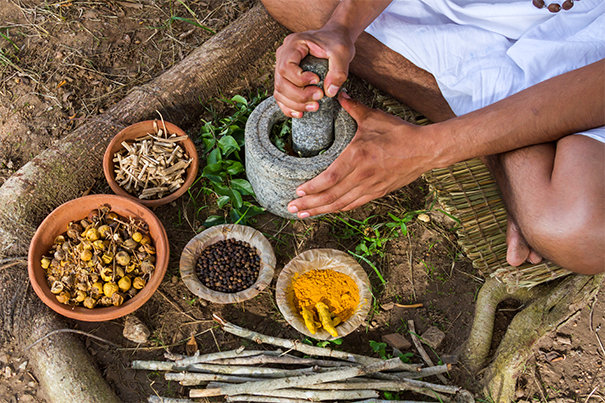
In Ayurveda, the traditional Indian system of medicine, silver is considered a cooling metal.
- Wearing it is believed to help soothe the body and mind, regulate internal temperature, and calm the nervous system.
- Astrologically, silver is strongly linked to the Moon (Chandra), which represents emotions, intuition, and maternal energy.
- Wearing the metal is thought to align these lunar energies, promoting emotional balance and inner calm.
-
The Ultimate Heirloom and Memory Keeper:
Silver holds generational memories more intimately than almost any other material.
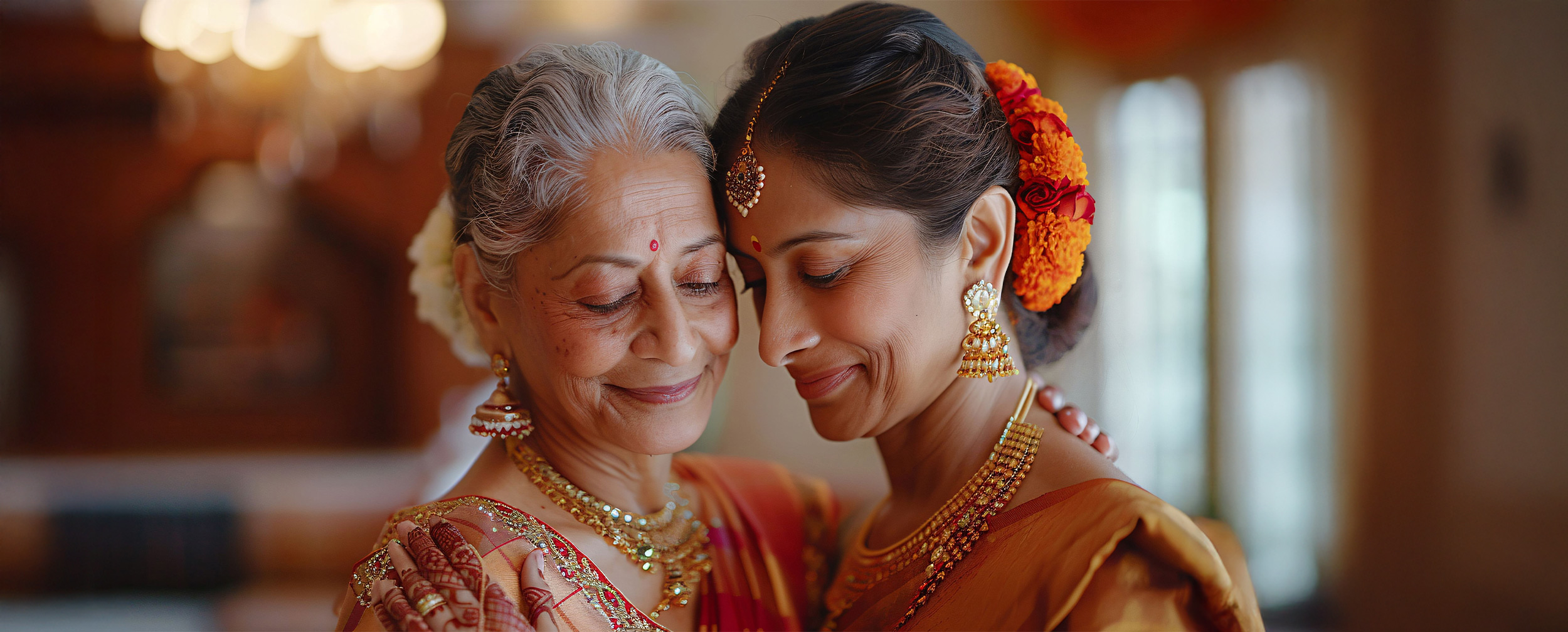
- It is very common for cherished silver necklaces, toe rings, or bangles to be passed down from grandmothers to mothers and daughters.
- Every piece holds stories of celebration, love, and family legacy, making it an emotional bond rather than just an accessory.
- Designs often reflect specific regional art, folklore, and family values, ensuring each piece is personal and unique.
-
House of B: Blending Heritage with Modernity:
Brands like House of B are crucial in honouring and preserving this rich legacy of Indian silversmithing.
- Their handcrafted collections blend age-old traditions and classic motifs with a modern aesthetic.
- This ensures the cultural story continues, allowing contemporary wearers to connect with their past through pure, soulful designs.
Conclusion: A Legacy Woven in Silver
Silver jewellery carries much more than a simple shine in India; it carries blessings, profound family bonds, and a tangible heritage that lives through every intricate piece. This metal is an essential component of the cultural tapestry, signifying purity, protection, and prosperity in every major life event. At House of B, this sacred legacy is honoured with pure, soulful designs that celebrate who you are and where you come from. The tradition of silver, whether worn for its protective qualities or its deep emotional value, continues to be a timeless and vital part of the Indian identity.