

The Silver Standard: Understanding Types and Grades of Silver Jewelry
The Silver Standard: Understanding Types and Grades of Silver Jewellery
Silver jewellery offers a unique blend of affordability, durability, and spectacular luster. However, when you shop, you encounter terms like Fine Silver, Sterling Silver, and 925. Understanding the difference between these types and grades is crucial. It ensures you choose a piece that suits your needs. Since pure silver is too soft for daily wear, it must be combined with other metals to create an alloy. These alloys are what determine the grade, strength, and tarnish resistance of your treasured pieces. Here is your essential guide to decoding the silver market.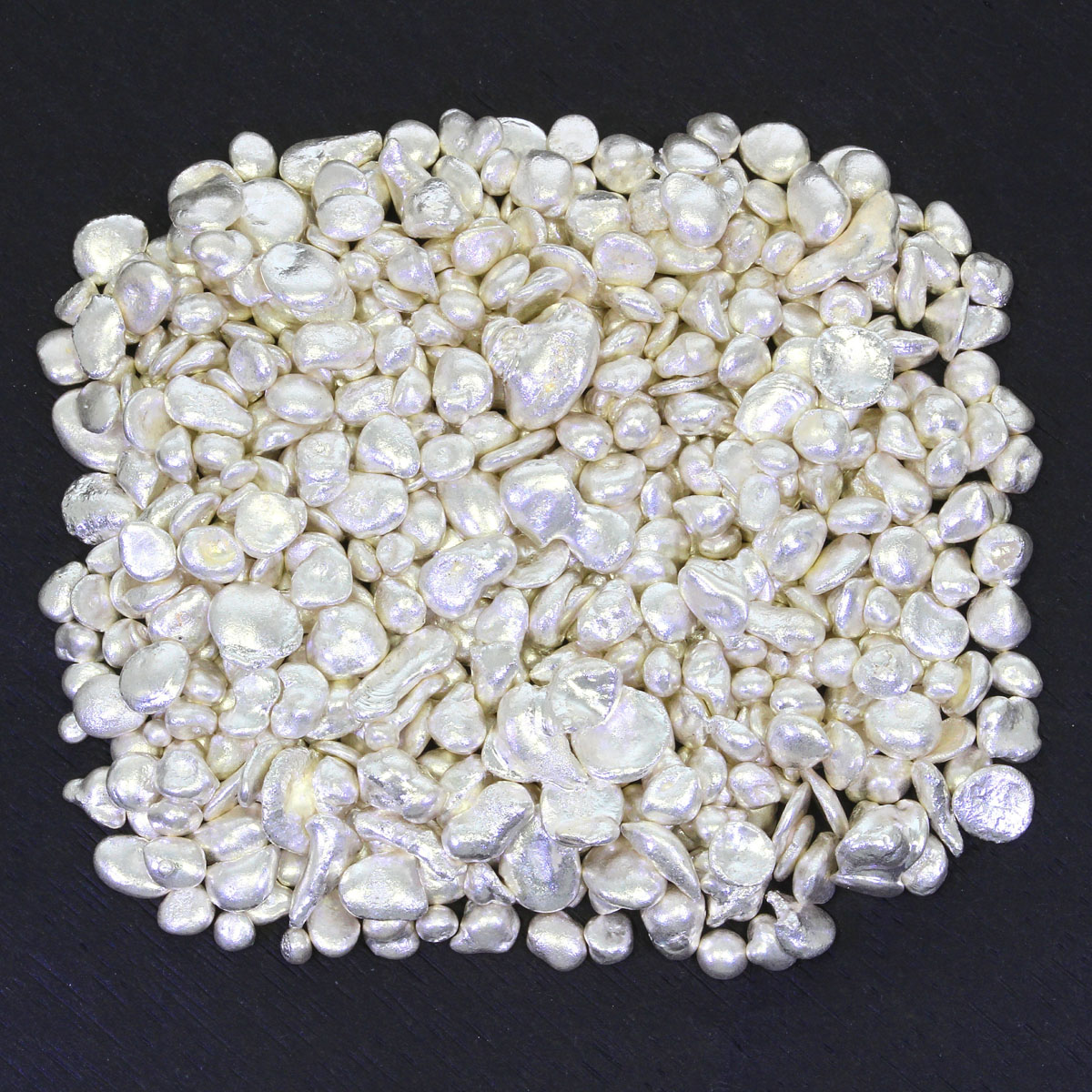
Essential Grades and Types of Silver
The grade of silver is determined by its millesimal fineness. This number shows the parts per thousand of pure silver in the alloy. The higher the number, the purer the silver.
-
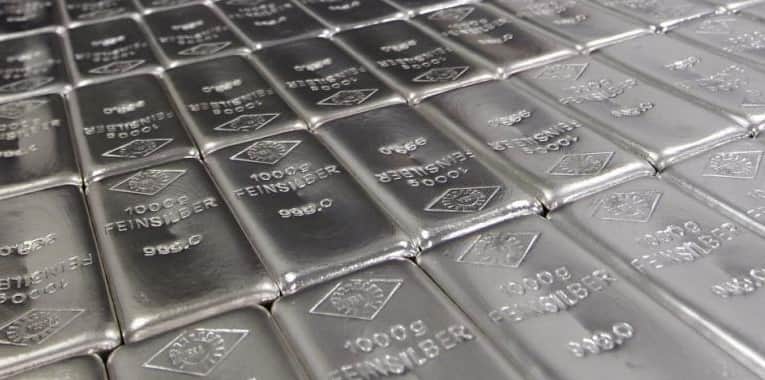
Fine Silver (.999): The Purest Form
Purity: 99.9% pure silver, often stamped with "999" or "FS."
- Pros: It is the purest available metal. It offers a brilliant shine and is the most hypoallergenic option. It is also highly resistant to tarnishing.
- Cons: It is extremely soft and malleable. It scratches, bends, and dents very easily.
- Use: Best reserved for delicate pieces like earrings and pendants, or for investment bullion.
-
Sterling Silver (.925): The Industry Standard
Purity: 92.5% pure silver and 7.5% other metals, typically copper. It is marked with "925".
- Pros: It strikes the best balance between purity and strength. It is durable enough for daily wear, including rings and bracelets. It remains the most popular and affordable type of quality silver jewellery.
- Cons: The copper content makes it prone to tarnishing over time. However, tarnish is easily cleaned.
- Use: The go-to choice for almost all everyday and fashion silver jewellery worldwide.
-
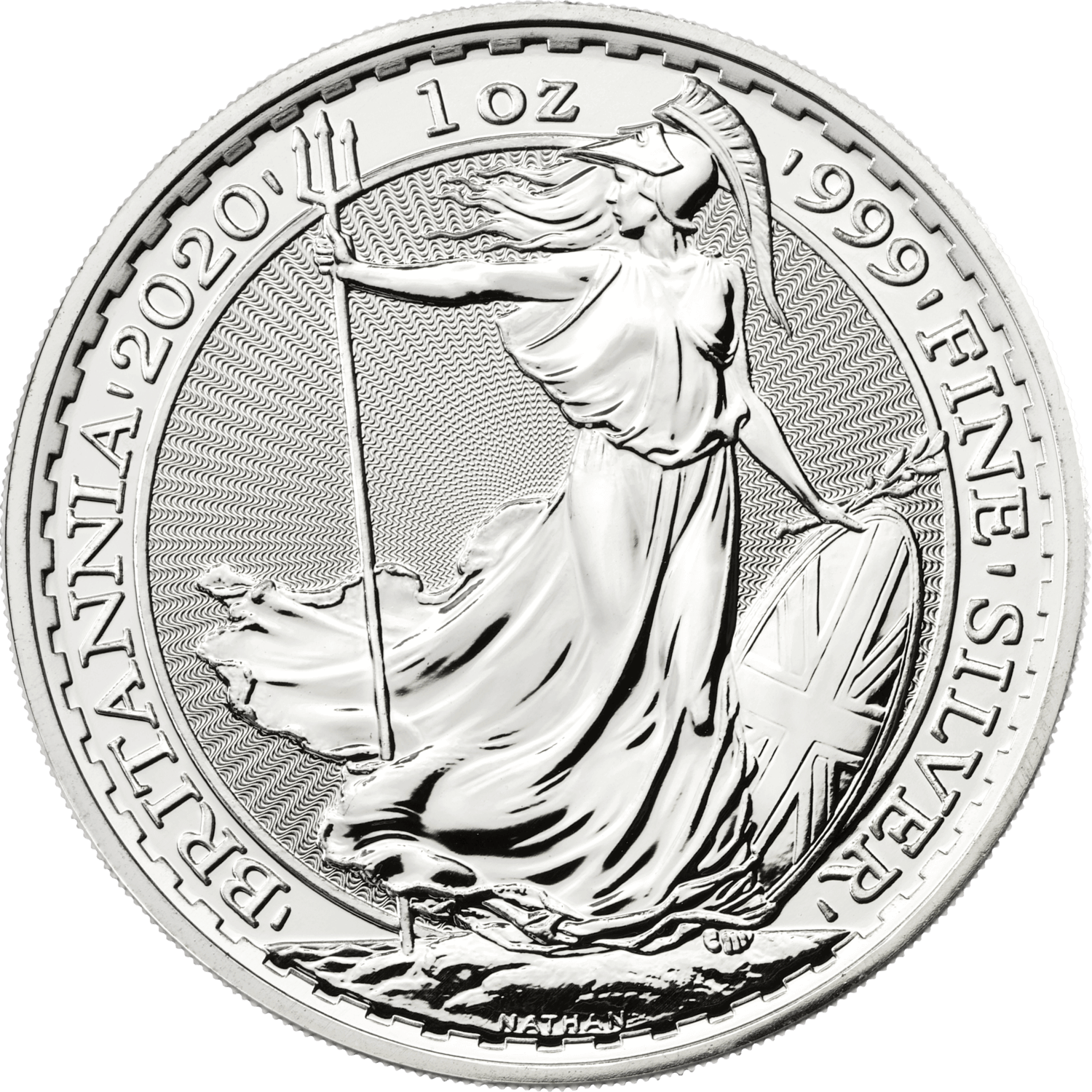
Britannia Silver (.958): A Purer Alloy
Purity: 95.8% pure silver and 4.2% copper. It is marked with "958".
- Pros: It is slightly purer than Sterling Silver. It offers a higher luster and a whiter color.
- Cons: Due to the higher silver content, it is softer than Sterling Silver. This makes it slightly more prone to scratching and deformation.
- Use: Used for higher-end jewellery and specialized silverware.
-
Argentium Silver (.935 or .960): The Tarnish-Resistant Option
Purity: At least 92.5% silver, but the alloy includes the element Germanium.
- Pros: Germanium makes it highly resistant to tarnish. It requires far less maintenance and cleaning than traditional Sterling Silver.
- Cons: It is newer to the market and is typically more expensive than traditional Sterling Silver.
- Use: Ideal for customers who want the durability of sterling silver with minimal cleaning hassle.

-
Coin Silver (.900): An Antique Grade
Purity: 90% pure silver and 10% copper. It is marked with "900".
- Pros: It is strong and has historical value. It gained its name from being made by melting down old silver coins.
- Cons: It is less pure than Sterling Silver. It is not common in modern jewellery manufacturing.
- Use: Mostly found in antique or vintage jewellery and silverware.

-
Silver Plated/Filled: Appearance, Not Purity
Purity: Contains minimal to no actual silver alloy.
- Cons: These items consist of a base metal (like copper or brass) with a thin coating of silver. The coating will wear off quickly, revealing the base metal underneath.
-
Use: Affordable costume jewellery that is not meant for long-term wear or value.

Conclusion: Choosing the Right Piece
The grade of silver you choose directly affects the appearance, durability, and maintenance required for your piece. While Fine Silver offers the maximum purity, Sterling Silver (.925) remains the gold standard for daily wear. It provides the perfect blend of beauty and strength. When buying, always check for the quality stamp (the hallmark) like "925" or "999." This simple check ensures you are investing in a genuine, high-quality piece that will stand the test of time and shine brightly for many years to come.