

Understanding Sterling Silver Jewellery and Its Key Differences from Regular Silver
The Sterling Truth: What is the Real Difference Between Sterling Jewellery and Silver Jewellery?
Silver, with its radiant luster and magnificent appeal, has captivated hearts for ages. This precious metal offers unmatched versatility, transforming into gorgeous accessories that lend elegance to any look. When you're shopping for high-quality silver jewellery, two terms constantly emerge: Sterling Silver and 925 Silver. While they are often used interchangeably, understanding their connection is key to appreciating and properly caring for your pieces. At House of B, we treasure the timeless beauty of this metal. In this ultimate guide, we will decode the difference (or lack thereof) between these terms and share essential tips to keep your collection sparkling like the day you bought it.
Decoding Sterling Silver and 925 Silver
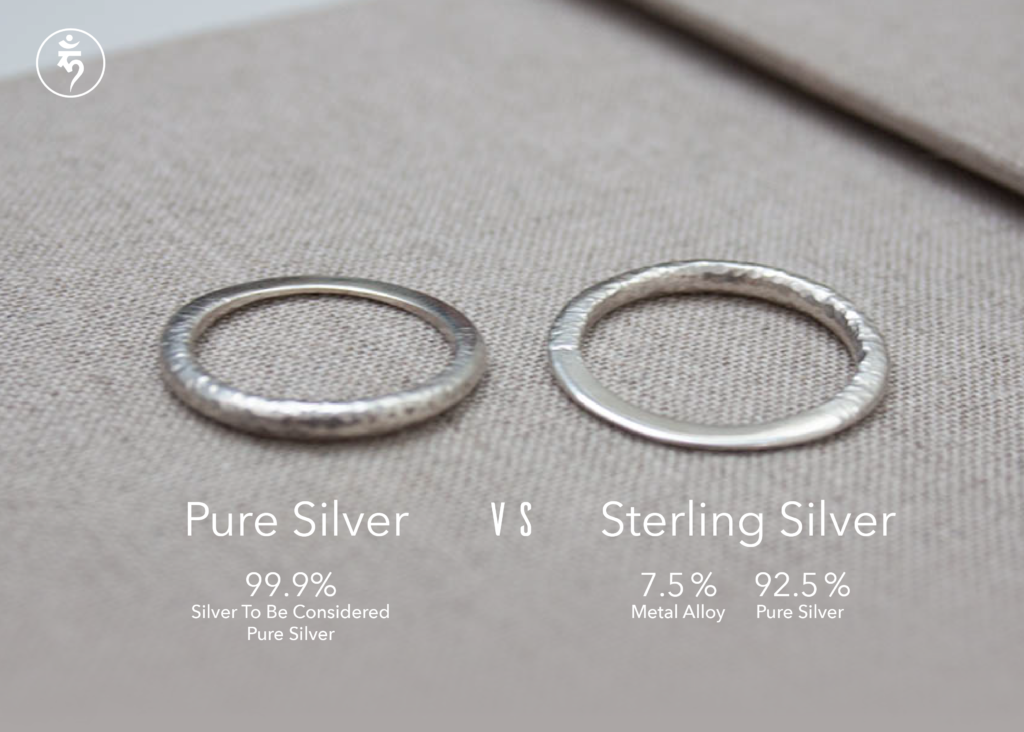
The truth is, Sterling Silver and 925 Silver refer to the exact same high-quality silver alloy. There is no practical difference between them. One is the traditional name, and the other is the scientific hallmark that certifies its purity.
-
The Composition That Matters:
The alloy is comprised of 92.5% Pure Silver. This is what gives the metal its characteristic beautiful sheen.
- The remaining 7.5% is other metals, most commonly copper.
-
Why the Alloy is Necessary:
Pure silver (which is 99.9% fine) is actually too soft to be functional for jewellery. It would scratch and bend easily.
- The addition of copper makes the alloy harder, stronger, and durable for everyday wear.
- This perfect blend gives you the elegance of silver with the resilience needed for cherished jewellery pieces.
-
Terminology Explained:
Sterling Silver: This is the traditional and official term for the alloy. It emphasizes the quality standard and historical tradition of the metal, originating centuries ago.
- 925 Silver: This is the numerical representation of the metal's composition. Items are often stamped with a "925" hallmark. This denotes the percentage of pure silver (92.5%) for certification and buyer assurance.

The Tarnish Trap and Essential Care
Despite its beauty and strength, the alloy has a natural tendency to tarnish over time. This is a normal chemical reaction you can easily manage.
-
Why Tarnish Happens:
The 7.5% of other metals (like copper) react with sulphur compounds and moisture in the air.
- This reaction forms a darker layer on the surface of the silver, dimming its shine.

-
Daily Habits for Longevity:
Last On, First Off: Put your jewellery on after applying makeup, perfume, hairspray, and lotions, as chemicals accelerate tarnishing. Take it off before bed.
- Avoid Excess Moisture: Remove your silver before showering, swimming, doing dishes, or exercising. Water, especially chlorinated water, is a major threat.
- Regular Polish: Use a soft, lint-free cloth to gently wipe off any oils or dirt after wearing, before storage.

-
Effective Storage Solutions:
Minimize Air Exposure: Store individual pieces in separate zip-lock bags or soft pouches to prevent scratching and limit contact with air.
- Keep it Dry: Place silica gel packs in your jewellery box to absorb humidity, which speeds up tarnishing.
- Location Matters: Store your silver in a cool, dry place, away from direct sunlight and high-humidity areas like the bathroom.
Conclusion: An Investment in Timeless Elegance
The main takeaway is clear: Sterling Silver and 925 Silver are one and the same high-quality metal. They offer a certified balance of 92.5% silver and 7.5% strengthening alloys, unlike pure silver. Understanding this fact allows you to shop with confidence at House of B, knowing you are getting a piece of certified quality. By following these straightforward care and cleaning tips—especially avoiding chemicals and practicing proper storage—you ensure that your magnificent collection continues to sparkle and enhance your style for years to come. This small investment in care protects your investment in timeless elegance.